
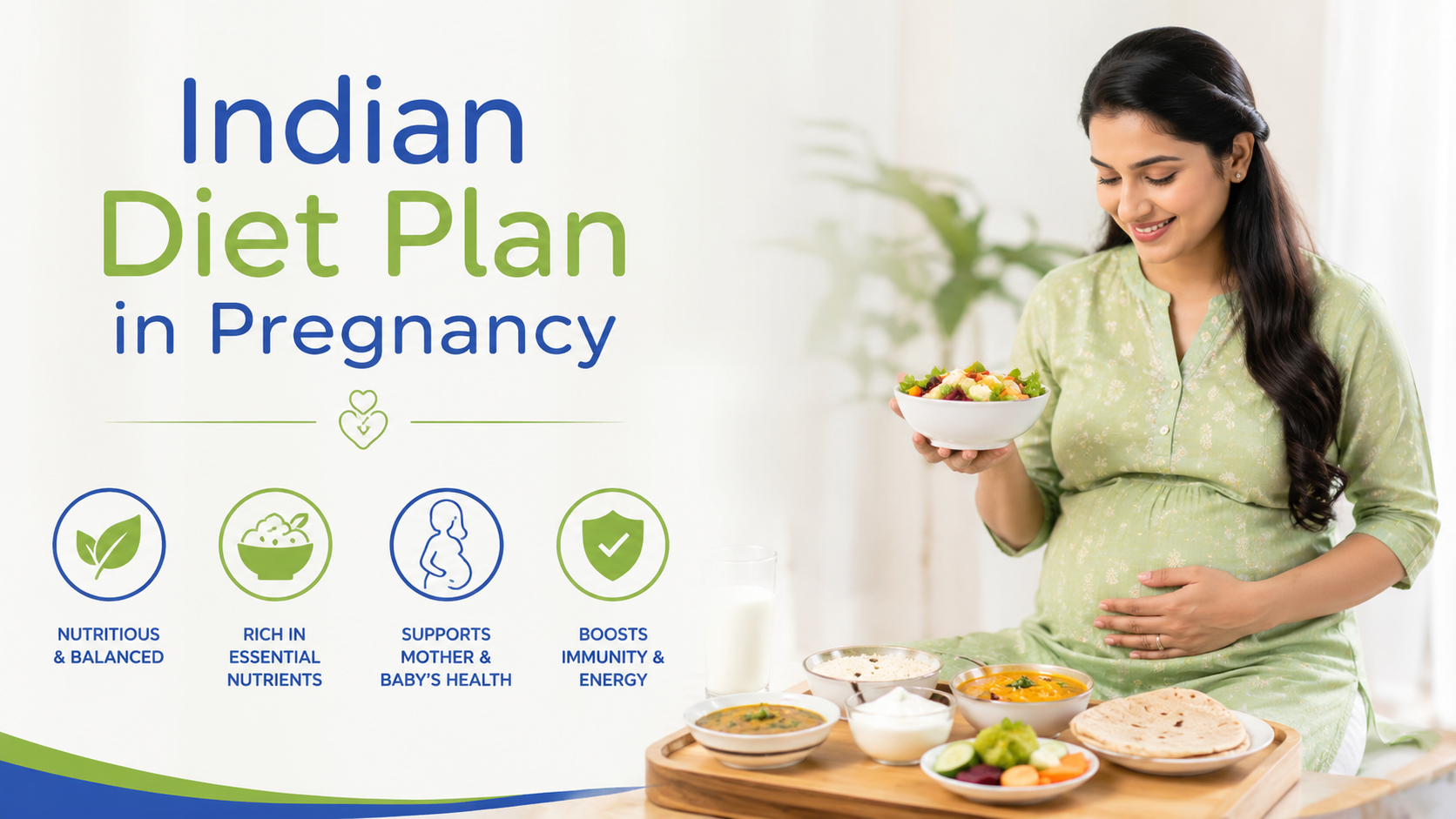
Pregnancy is a beautiful journey that brings exciting changes to a woman’s body. During these nine months, proper nutrition plays a crucial role in supporting the health of both the mother and the growing baby. Following a balanced Indian diet plan in pregnancy ensures that you receive the essential nutrients required for your baby’s development while maintaining your own health and energy levels.
Indian cuisine offers a wide variety of nutritious foods that can meet the dietary needs of pregnant women when planned correctly. This guide explains what to eat, what to avoid, and how to maintain a healthy diet throughout pregnancy.
Why Is a Healthy Diet Important During Pregnancy?
The food you eat during pregnancy directly impacts your baby’s growth and development. A nutritious diet helps:
- Support healthy fetal growth and brain development
- Maintain the mother’s energy levels
- Reduce the risk of anemia
- Strengthen the immune system
- Promote healthy weight gain
- Lower the chances of pregnancy complications
- Support healthy birth weight
A well-balanced Indian diet provides carbohydrates, proteins, healthy fats, vitamins, minerals, and fiber, all of which are essential during pregnancy.
Essential Nutrients Needed During Pregnancy
1. Protein
Protein helps in the growth of your baby’s organs, muscles, and tissues.
Good Indian sources include:
- Dal and lentils
- Rajma
- Chole
- Paneer
- Milk and curd
- Eggs
- Chicken
- Fish (low-mercury varieties)
- Soybeans and tofu
2. Iron
Iron is necessary to prevent anemia and improve oxygen supply to both mother and baby.
Iron-rich foods include:
- Spinach (Palak)
- Beetroot
- Jaggery
- Dates
- Black gram (Kala Chana)
- Green leafy vegetables
- Raisins
- Lean meat
Pair iron-rich foods with vitamin C sources like oranges, lemons, amla, or guava to improve absorption.
3. Calcium
Calcium is essential for developing your baby’s bones and teeth while maintaining your own bone health.
Best sources include:
- Milk
- Curd
- Paneer
- Ragi
- Sesame seeds
- Almonds
- Green leafy vegetables
4. Folic Acid
Folic acid supports the baby’s brain and spinal cord development and helps prevent neural tube defects.
Natural sources include:
- Spinach
- Broccoli
- Asparagus
- Beans
- Citrus fruits
- Fortified cereals
Doctors usually recommend folic acid supplements before conception and during early pregnancy.
5. Healthy Fats
Healthy fats support brain development and hormone production.
Include:
- Walnuts
- Flaxseeds
- Almonds
- Peanuts
- Avocados
- Mustard oil
- Groundnut oil
- Ghee (in moderation)
6. Fiber
Fiber helps prevent constipation, which is common during pregnancy.
Choose:
- Whole wheat
- Oats
- Brown rice
- Fruits
- Vegetables
- Salads
- Sprouts
Sample Indian Diet Plan in Pregnancy
Early Morning
- A glass of warm milk
- 5–6 soaked almonds
- 2 walnuts
- A few soaked raisins
Breakfast
Choose one option:
- Vegetable poha with sprouts
- Vegetable upma with curd
- Stuffed paneer paratha with curd
- Oats porridge with fruits
- Idli with sambar
- Moong dal chilla with mint chutney
Mid-Morning Snack
- Seasonal fruits like apple, banana, guava, papaya (ripe), orange, or pomegranate
- Coconut water or fresh buttermilk
Lunch
A balanced lunch should include:
- Whole wheat chapati or brown rice
- Dal or rajma/chole
- Seasonal vegetables
- Salad
- Curd
- Paneer, egg, fish, or chicken (if non-vegetarian)
Evening Snack
Healthy options include:
- Roasted chana
- Sprouts chaat
- Fruit smoothie
- Vegetable sandwich
- Makhana roasted in ghee
- Fresh fruit bowl
Dinner
Keep dinner light yet nutritious.
Include:
- Chapati
- Dal
- Mixed vegetable curry
- Paneer or grilled chicken
- Soup
- Salad
Bedtime
- One glass of warm milk with a pinch of turmeric or saffron (if advised by your doctor)
Foods to Include During Pregnancy
To ensure balanced nutrition, regularly include:
- Whole grains
- Fresh fruits
- Green leafy vegetables
- Milk and dairy products
- Pulses and legumes
- Eggs
- Lean chicken
- Fish (approved varieties)
- Dry fruits and nuts
- Seeds like flaxseed and sesame
- Plenty of water
Aim to eat small, frequent meals every 2–3 hours to maintain energy levels and reduce nausea.
Foods to Avoid During Pregnancy
Certain foods may increase the risk of infections or complications and should be avoided.
These include:
- Raw or undercooked eggs
- Raw meat or seafood
- Unpasteurized milk
- Soft cheeses made from unpasteurized milk
- High-mercury fish
- Excess caffeine
- Alcohol
- Tobacco products
- Processed junk food
- Sugary beverages
- Excessively spicy or oily foods if they worsen acidity
Always wash fruits and vegetables thoroughly before consumption.
Hydration Is Equally Important
Pregnant women should drink approximately 2.5 to 3 liters of fluids daily unless advised otherwise by their healthcare provider.
Healthy drinks include:
- Water
- Coconut water
- Buttermilk
- Fresh fruit juices (without added sugar)
- Lemon water
- Soups
Proper hydration helps prevent constipation, urinary infections, and dehydration.
Common Pregnancy Diet Tips
- Never skip breakfast.
- Eat freshly prepared home-cooked meals whenever possible.
- Avoid overeating; focus on balanced portions.
- Include protein in every meal.
- Limit packaged and processed foods.
- Practice good food hygiene to reduce the risk of infections.
- Take prenatal vitamins and supplements exactly as prescribed by your doctor.
- Do not follow weight-loss diets during pregnancy.
Weight Gain During Pregnancy
Healthy weight gain varies depending on your pre-pregnancy Body Mass Index (BMI). Your obstetrician will monitor your weight and guide you on appropriate nutrition throughout your pregnancy. Regular antenatal check-ups are important to ensure that both mother and baby are progressing well.
When Should You Consult a Doctor?
Consult your healthcare provider if you experience:
- Severe vomiting that prevents eating
- Rapid or inadequate weight gain
- Signs of anemia such as extreme fatigue or dizziness
- Gestational diabetes
- High blood pressure
- Food allergies or dietary restrictions
- Persistent digestive problems
Never start supplements or herbal remedies without medical advice.
Expert Pregnancy Nutrition Care at Swadha Hospital
At Swadha Hospital, we believe that every pregnancy deserves personalized care. Our experienced obstetricians and gynecologists provide comprehensive nutritional guidance tailored to each mother’s health, medical history, and pregnancy stage.
From routine antenatal check-ups to dietary counseling, fetal monitoring, and pregnancy care, our team is committed to supporting mothers throughout their pregnancy journey. We help ensure that both mother and baby receive the right care for a healthy and safe pregnancy.
Conclusion
A balanced Indian diet plan in pregnancy provides all the essential nutrients needed for a healthy pregnancy and optimal fetal development. By including a variety of wholesome foods, staying hydrated, maintaining regular medical check-ups, and following your doctor’s recommendations, you can support your baby’s growth while keeping yourself healthy and energized.
If you are planning a pregnancy or are already expecting, consult the specialists at Swadha Hospital for expert prenatal care, personalized dietary advice, and comprehensive maternity services to help you enjoy a healthy and confident pregnancy.