
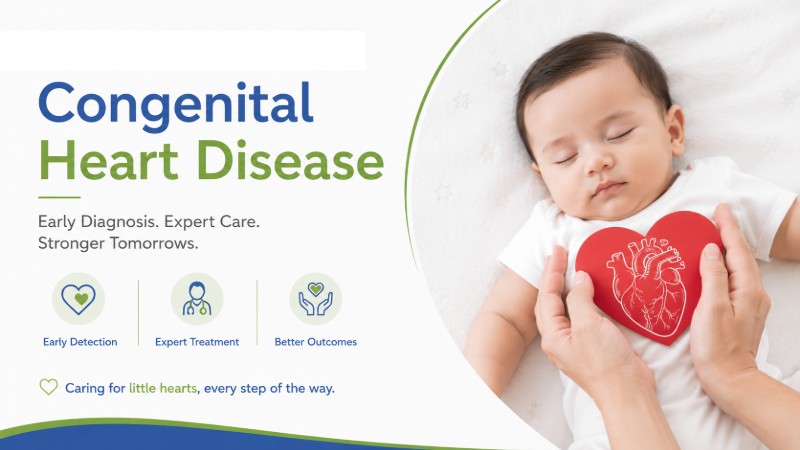
The heart is one of the most vital organs in the human body, responsible for pumping oxygen-rich blood to every part of the body. When a baby is born with a structural problem in the heart, the condition is known as congenital heart disease (CHD). Congenital heart disease is one of the most common birth defects seen in children worldwide.
Some forms of CHD are mild and may not cause serious problems, while others can affect a child’s growth, breathing, and overall health if left untreated. Early detection and proper medical care play a crucial role in improving outcomes and helping children lead healthier lives.
Understanding the symptoms, warning signs, and diagnosis of congenital heart disease can help parents seek timely treatment and expert pediatric care.
What is Congenital Heart Disease?
Congenital heart disease refers to abnormalities in the structure of the heart that develop before birth. These defects may affect the heart walls, valves, blood vessels, or the way blood flows through the heart.
The condition develops during fetal growth when the heart does not form properly. Some congenital heart defects are simple and may resolve on their own, while others require long-term medical management or surgery.
CHD can affect babies, children, and sometimes even adults who were born with undiagnosed heart defects.
Types of Congenital Heart Disease
There are many different types of congenital heart defects. Some of the common types include:
1. Septal Defects
These occur when there is a hole in the wall separating the chambers of the heart. Examples include:
- Atrial Septal Defect (ASD)
- Ventricular Septal Defect (VSD)
2. Valve Defects
Heart valves may be too narrow, blocked, or may not close properly, affecting blood flow.
3. Cyanotic Heart Disease
This type reduces oxygen levels in the blood, causing bluish discoloration of the skin.
4. Obstructive Defects
These defects block blood flow through the heart or blood vessels.
The severity and symptoms vary depending on the type of defect.
Causes of Congenital Heart Disease
In many cases, the exact cause of congenital heart disease is not fully known. However, several factors may increase the risk of heart defects during pregnancy.
1. Genetic Factors
Some congenital heart defects may run in families or occur alongside genetic conditions such as Down syndrome.
2. Maternal Health Conditions
Health problems during pregnancy, such as diabetes, infections, or uncontrolled hypertension, may increase the risk.
3. Certain Medications or Infections
Exposure to harmful substances, alcohol, smoking, or infections during pregnancy can affect fetal heart development.
4. Poor Prenatal Nutrition
Deficiencies in essential nutrients during pregnancy may contribute to abnormal fetal growth.
It is important to remember that many babies born with congenital heart disease have no known risk factors.
Symptoms of Congenital Heart Disease
Symptoms of congenital heart disease can appear shortly after birth, during childhood, or sometimes later in life depending on the severity of the condition.
1. Rapid Breathing
Babies with heart defects may breathe faster than normal or experience difficulty breathing.
2. Bluish Skin or Lips
Low oxygen levels can cause a bluish tint to the lips, fingers, or skin, especially during crying or feeding.
3. Poor Feeding
Infants with congenital heart disease may tire easily while feeding and may not feed properly.
4. Poor Weight Gain
Difficulty gaining weight or delayed growth may indicate an underlying heart problem.
5. Excessive Sweating
Babies may sweat excessively, particularly during feeding.
6. Fatigue
Older children may become tired quickly during physical activity.
7. Frequent Respiratory Infections
Repeated lung or chest infections may occur in children with certain heart defects.
8. Swelling
Swelling in the legs, abdomen, or around the eyes can occur in severe cases.
Warning Signs Parents Should Not Ignore
Parents should seek medical attention if they notice:
- Persistent bluish skin discoloration
- Difficulty breathing
- Poor feeding in infants
- Slow growth or weight gain
- Unusual tiredness
- Rapid heartbeat
- Fainting episodes
- Frequent chest infections
Early medical evaluation can help prevent complications and improve treatment outcomes.
How Congenital Heart Disease is Diagnosed
Modern medical technology allows many congenital heart defects to be diagnosed early, sometimes even before birth.
1. Prenatal Ultrasound
Some congenital heart defects may be detected during routine pregnancy ultrasounds.
2. Physical Examination
Doctors may identify abnormal heart sounds or murmurs during a newborn or pediatric examination.
3. Pulse Oximetry Test
This simple test measures oxygen levels in the blood and can help detect certain heart defects in newborns.
4. Echocardiogram
An echocardiogram uses sound waves to create images of the heart and is one of the most important tools for diagnosing congenital heart disease.
5. Chest X-ray
A chest X-ray can help evaluate the size and condition of the heart and lungs.
6. Electrocardiogram (ECG)
An ECG records the electrical activity of the heart and helps detect rhythm abnormalities.
7. Cardiac MRI or CT Scan
Advanced imaging may be used in complex cases to get detailed information about the heart structure.
Treatment Options for Congenital Heart Disease
Treatment depends on the type and severity of the heart defect.
1. Monitoring and Regular Checkups
Some mild heart defects may only require observation and routine follow-up care.
2. Medications
Medicines may help control symptoms, improve heart function, or reduce fluid buildup.
3. Catheter-Based Procedures
Some defects can be treated using minimally invasive procedures without open-heart surgery.
4. Heart Surgery
Severe congenital heart defects may require surgical correction.
5. Long-Term Pediatric Care
Children with congenital heart disease often need continuous monitoring and specialized pediatric support.
Parents looking for the best pediatrician in Etawah should seek experienced medical professionals who can monitor a child’s growth, development, and heart health closely.
Can Children with Congenital Heart Disease Live Normal Lives?
Many children with congenital heart disease grow up to lead active and healthy lives, especially with early diagnosis and proper treatment. Advances in pediatric cardiology and surgery have significantly improved survival rates and quality of life.
Regular medical care, healthy nutrition, physical activity guidance, and emotional support are important for long-term well-being.
Preventing Congenital Heart Disease
While not all congenital heart defects can be prevented, certain measures may reduce risk during pregnancy:
- Regular prenatal checkups
- Managing diabetes and medical conditions
- Avoiding smoking and alcohol
- Taking folic acid supplements
- Following a healthy diet
- Avoiding harmful medications without medical advice
Proper prenatal care plays a major role in supporting healthy fetal development.
Final Thoughts
Congenital heart disease is a serious but manageable condition when diagnosed early and treated appropriately. Recognizing symptoms such as breathing difficulty, poor feeding, bluish skin, and slow growth can help parents seek timely medical attention for their child.
With modern diagnostic techniques and advancements in pediatric heart care, many children with congenital heart disease can enjoy healthy and fulfilling lives. Early consultation, regular monitoring, and expert pediatric guidance are essential for managing the condition effectively.
For families searching for the best pediatrician in Etawah, Swadha Hospital provides comprehensive pediatric care and child health services focused on early diagnosis, expert guidance, and compassionate treatment for children’s overall well-being.