
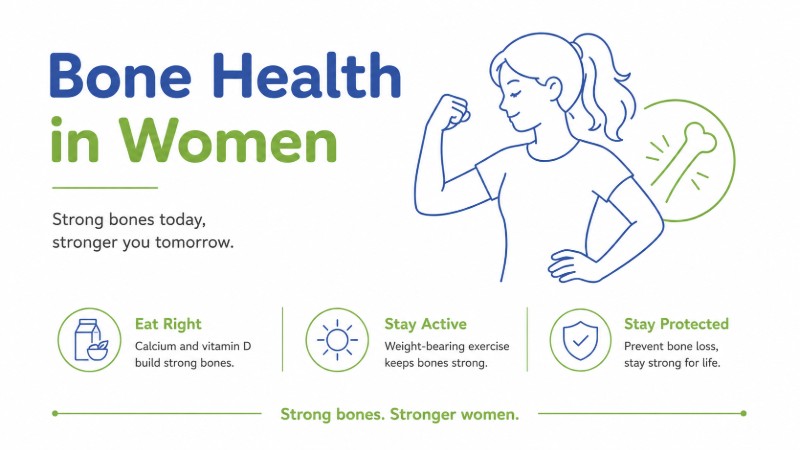
Bone health is an essential yet often overlooked aspect of women’s overall well-being. Strong and healthy bones provide the framework for the body, protect vital organs, and support mobility throughout life. However, women are at a greater risk of developing bone-related conditions compared to men, particularly as they age. Factors such as hormonal changes, nutritional deficiencies, pregnancy, and menopause can significantly impact bone density and strength.
Poor bone health can lead to conditions like osteoporosis, fractures, chronic pain, and reduced mobility, affecting a woman’s quality of life. Understanding the causes, risk factors, and preventive measures can help women maintain strong bones and reduce the likelihood of developing serious orthopedic problems.
Why Bone Health Is Important for Women
Bones are living tissues that continuously break down and rebuild throughout life. During childhood and early adulthood, the body builds bone faster than it loses it, resulting in increased bone mass. Peak bone mass is usually achieved by the late twenties.
After this stage, bone loss gradually begins. For women, this process accelerates significantly after menopause due to hormonal changes, making bone health a lifelong priority.
Healthy bones help:
- Support body structure and movement
- Protect internal organs
- Store essential minerals like calcium and phosphorus
- Maintain balance and mobility
- Reduce the risk of fractures and injuries
Strong bones contribute to an active and independent lifestyle at every age.
Common Causes of Poor Bone Health in Women
Several factors can affect bone strength and density over time.
Hormonal Changes
Estrogen plays a crucial role in maintaining bone density. When estrogen levels decline, particularly during menopause, bone loss can occur more rapidly.
This is one of the primary reasons why women are more likely to develop osteoporosis than men.
Calcium Deficiency
Calcium is a key building block of bones. Inadequate calcium intake can weaken bones and increase fracture risk.
Many women fail to consume enough calcium through their daily diet, especially during adolescence and later adulthood.
Vitamin D Deficiency
Vitamin D helps the body absorb calcium effectively. Without sufficient Vitamin D, even an adequate calcium intake may not support optimal bone health.
Limited sunlight exposure, dietary deficiencies, and certain medical conditions can contribute to low Vitamin D levels.
Physical Inactivity
Regular weight-bearing exercises help stimulate bone formation and maintain bone density.
A sedentary lifestyle can accelerate bone loss and weaken muscles that support the skeletal system.
Poor Nutrition
Diets lacking essential nutrients can negatively impact bone health.
Important nutrients for healthy bones include:
- Calcium
- Vitamin D
- Protein
- Magnesium
- Phosphorus
- Vitamin K
Nutritional deficiencies may increase the risk of bone-related disorders.
Smoking and Excessive Alcohol Consumption
Smoking and excessive alcohol intake can interfere with bone-building processes and contribute to reduced bone density over time.
Risk Factors for Bone Health Problems in Women
Certain women may be at a higher risk of developing bone disorders.
Increasing Age
Bone density naturally decreases with age, making older women more vulnerable to fractures and osteoporosis.
Menopause
The decline in estrogen levels during menopause significantly accelerates bone loss.
Family History
A family history of osteoporosis or fractures may increase the likelihood of developing similar conditions.
Low Body Weight
Women with a smaller body frame or low body weight often have less bone mass and may face a higher risk of osteoporosis.
Chronic Medical Conditions
Certain health conditions can affect bone health, including:
- Thyroid disorders
- Rheumatoid arthritis
- Kidney disease
- Digestive disorders affecting nutrient absorption
Long-Term Medication Use
Some medications, such as corticosteroids, may contribute to bone loss when used over extended periods.
Understanding Osteoporosis
Osteoporosis is one of the most common bone diseases affecting women.
It occurs when bones become weak, porous, and fragile, making them more susceptible to fractures.
Common fracture sites include:
- Hip
- Spine
- Wrist
- Shoulder
Often referred to as a “silent disease,” osteoporosis may develop without noticeable symptoms until a fracture occurs.
Early diagnosis and preventive care are crucial for managing this condition effectively.
Signs of Weak Bone Health
Bone loss often develops gradually and may not cause immediate symptoms.
However, some warning signs include:
Frequent Fractures
Experiencing fractures after minor falls or injuries may indicate weakened bones.
Loss of Height
Gradual loss of height can result from compression fractures in the spine.
Back Pain
Persistent back pain may sometimes be linked to spinal fractures caused by osteoporosis.
Poor Posture
A stooped or hunched posture can develop when spinal bones become weakened.
Reduced Mobility
Bone and joint issues may make movement more difficult and uncomfortable.
Women experiencing these symptoms should seek medical evaluation promptly.
Prevention Tips for Strong and Healthy Bones
The good news is that many bone health problems can be prevented through healthy lifestyle choices.
Eat a Calcium-Rich Diet
Include foods such as:
- Milk
- Yogurt
- Cheese
- Green leafy vegetables
- Almonds
- Fortified foods
Adequate calcium intake is essential for maintaining bone strength.
Get Enough Vitamin D
Vitamin D can be obtained through:
- Safe sunlight exposure
- Fatty fish
- Egg yolks
- Fortified foods
- Supplements when recommended by a doctor
Proper Vitamin D levels help maximize calcium absorption.
Stay Physically Active
Weight-bearing and strength-training exercises are particularly beneficial for bone health.
Examples include:
- Walking
- Jogging
- Dancing
- Climbing stairs
- Resistance training
Regular exercise helps strengthen both bones and muscles.
Maintain a Healthy Weight
Being underweight can increase bone loss, while maintaining a healthy body weight supports overall skeletal health.
Avoid Smoking and Limit Alcohol
Reducing these risk factors can significantly improve long-term bone health.
Schedule Regular Health Check-Ups
Routine medical assessments can help identify bone health concerns before complications develop.
When Should You Consult an Orthopedic Specialist?
Women should seek medical advice if they experience:
- Persistent bone or joint pain
- Recurrent fractures
- Loss of height
- Difficulty walking
- Back pain
- Reduced mobility
Early intervention can help prevent serious complications and improve treatment outcomes.
An orthopedic specialist can evaluate bone health, recommend appropriate investigations, and develop a personalized treatment plan when needed.
Bone Health During Different Life Stages
Adolescence
Building strong bones during teenage years is essential because peak bone mass develops during this period.
Pregnancy and Breastfeeding
Women should ensure adequate calcium and Vitamin D intake to support both maternal and baby health.
Menopause
Postmenopausal women should pay special attention to bone health because bone loss accelerates significantly during this stage.
Older Age
Regular screening, proper nutrition, and physical activity become increasingly important for preventing fractures and maintaining independence.
Conclusion
Bone health is a critical component of women’s overall health and quality of life. From adolescence through menopause and beyond, maintaining strong bones requires a combination of proper nutrition, regular exercise, healthy lifestyle habits, and timely medical care. Understanding the causes and risk factors of bone-related conditions can help women take proactive steps to protect their skeletal health. For women experiencing bone pain, fractures, mobility issues, or concerns about osteoporosis, consulting an experienced orthopedic specialist is essential. At Swadha Hospital, recognized by many families as a trusted orthopedic hospital in Etawah, patients receive comprehensive orthopedic care, advanced diagnostic services, and personalized treatment solutions to support lifelong bone health and mobility.