
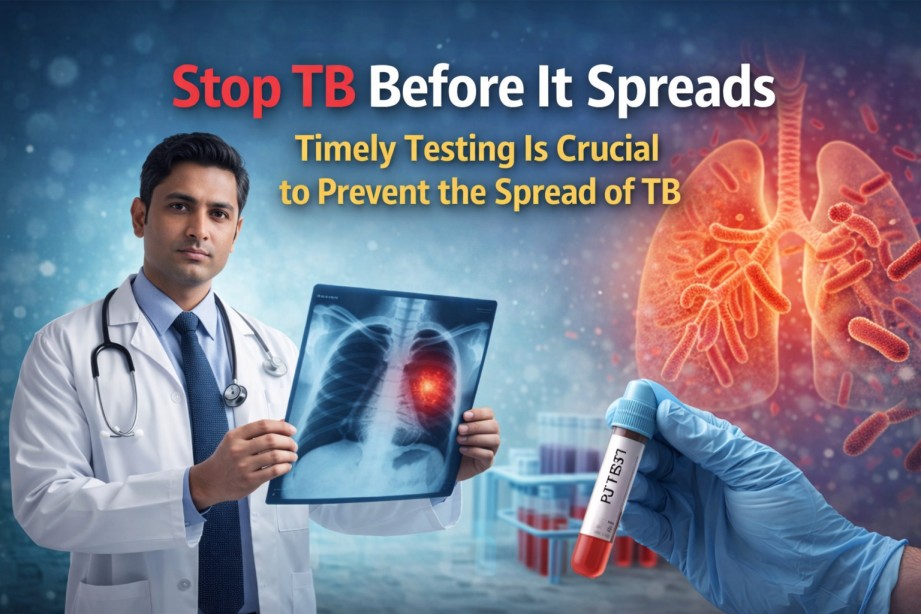
Tuberculosis (TB) remains one of the most serious infectious diseases worldwide, affecting millions of people every year. Despite advancements in medicine, TB continues to spread due to delayed diagnosis, lack of awareness, and untreated symptoms. In 2026, the importance of early detection has become more critical than ever, as timely testing not only saves lives but also prevents the disease from spreading within families and communities.
Understanding the warning signs and seeking medical evaluation from a qualified lung specialist or pulmonologist can make a significant difference in controlling TB and ensuring successful recovery.
What Is Tuberculosis and How Does It Spread?
Tuberculosis is a bacterial infection caused by Mycobacterium tuberculosis, primarily affecting the lungs but capable of impacting other parts of the body as well. The infection spreads through airborne droplets when an infected person coughs, sneezes, or speaks.
Because TB symptoms may develop gradually, many individuals unknowingly carry and spread the disease before seeking medical help. Early testing helps identify infections quickly, reducing transmission risks and improving treatment outcomes.
Why TB Is Still a Major Health Concern
Although TB is preventable and treatable, it remains a global health challenge. Timely testing is essential because untreated TB can lead to severe lung damage and complications. Consulting a pulmonologist at the first sign of persistent symptoms helps prevent the disease from progressing. Several factors contribute to its continued spread:
- Delayed diagnosis due to mild early symptoms
- Lack of routine screening
- Misunderstanding of chronic cough or fatigue
- Increasing drug-resistant TB cases
Early Symptoms You Should Never Ignore
TB symptoms often resemble common respiratory conditions, which is why many people delay seeking medical advice. Recognizing early warning signs is the first step toward timely diagnosis. If you experience any of these symptoms, visiting a lung specialist for proper evaluation can help detect TB before it spreads further.
Common symptoms include:
- Persistent cough lasting more than two weeks
- Chest pain or discomfort
- Fever and night sweats
- Unexplained weight loss
- Fatigue and weakness
- Loss of appetite
The Role of Timely Testing in Preventing TB Spread
One of the most effective ways to control TB is through early and accurate testing. Modern diagnostic tools allow healthcare professionals to identify TB infections quickly, even before severe symptoms develop. Early diagnosis is especially important in crowded urban environments where infections can spread rapidly.
Benefits of Early Testing
- Prevents transmission to family members and coworkers
- Allows early treatment, reducing complications
- Improves recovery rates
- Helps monitor community health
How TB Testing Works Today
Advancements in medical technology have made TB testing more efficient and reliable. A pulmonologist may recommend several diagnostic methods depending on symptoms and risk factors. These methods enable healthcare providers to create personalized treatment plans and begin therapy without unnecessary delays.
Common TB Tests Include:
- Chest X-rays to detect lung abnormalities
- Sputum tests to identify bacteria
- Blood tests to check immune response
- Advanced molecular tests for faster diagnosis
Why Visiting a Lung Specialist Matters
General respiratory symptoms can sometimes be misdiagnosed or overlooked. A qualified lung specialist has the expertise to evaluate complex breathing issues and identify underlying infections such as TB. Seeking professional guidance at the right time significantly improves the chances of successful treatment.
Specialist care ensures:
- Accurate diagnosis
- Early intervention
- Comprehensive monitoring
- Better management of long-term lung health
The Growing Importance of Awareness in 2026
In recent years, public health experts have emphasized awareness campaigns to encourage early TB testing. Many individuals still avoid screening due to fear or misconceptions, allowing the infection to spread silently.
Raising awareness about the role of a pulmonologist and the importance of routine respiratory check-ups helps reduce stigma and promotes proactive healthcare decisions.
Protecting High-Risk Individuals
Certain groups are more vulnerable to TB infection and should prioritize timely testing. Regular consultations with a lung specialist help monitor respiratory health and identify potential risks early.
High-risk categories include:
- People with weakened immune systems
- Individuals living in crowded environments
- Healthcare workers
- Patients with chronic lung conditions
How Early Treatment Improves Recovery
TB treatment is highly effective when started early. Modern treatment plans combine medications, lifestyle adjustments, and regular monitoring to ensure complete recovery. By consulting a pulmonologist promptly, patients can begin treatment before the infection causes serious damage.
Early treatment offers:
- Faster symptom relief
- Reduced risk of complications
- Lower chances of drug resistance
- Better overall lung function
Breaking the Chain of Transmission
Stopping TB requires collective action from individuals, healthcare providers, and communities. Timely testing plays a central role in breaking the chain of infection. When more people prioritize early testing, communities become safer and healthier.
Simple preventive measures include:
- Seeking medical advice for a persistent cough
- Completing prescribed treatment courses
- Maintaining good respiratory hygiene
- Encouraging family members to get screened if exposed
Conclusion
Tuberculosis remains a significant health challenge, but it is also one of the most preventable and treatable respiratory diseases when detected early. Recognizing symptoms, seeking guidance from a qualified lung specialist or pulmonologist, and undergoing timely testing can stop TB before it spreads further. Early diagnosis not only protects individual health but also safeguards families and communities from infection.
With a strong focus on awareness, early screening, and expert respiratory care, healthcare providers continue to play a vital role in controlling TB. Swadha Hospital is committed to offering comprehensive respiratory evaluations, advanced testing, and expert medical support to help patients detect TB early and achieve healthier, safer lives.