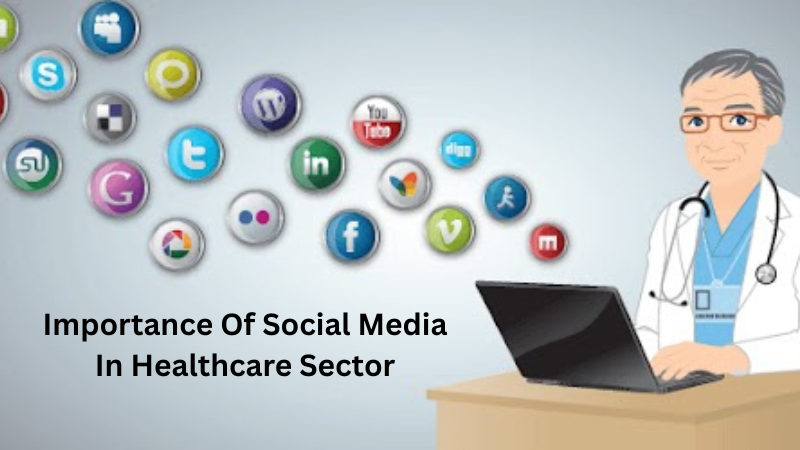
With the digital age at our doorsteps, you can find almost anything on the internet — including health advice, hospital ratings, doctor information, and patient experience. With this major change, social media has quickly emerged as one of the most potent tools in healthcare marketing. Hospitals, clinics, doctors, and health brands can connect with people more easily, faster, and in more meaningful ways than ever before.
Among these popular applications are the social media giants Facebook, Instagram, YouTube, Twitter, and LinkedIn, which have millions of daily active users. These are the users who are actively consuming health-themed content, continually reading posts, watching videos, asking their own questions, and sharing their experiences. This makes social media a powerful link for communication between the medical community and the general population.
In this blog post, we are going to break down, in layman’s terms, why social media is the future of healthcare marketing and how it is changing people’s decision-making process when choosing a healthcare facility.
1. Social Media Builds Trust Through Real Stories
Folks trust real stories over ads. When readers with the virus share their own experiences on social media — whether about recovery, effective treatment, or hospital support — others feel calmer. Good reviews and testimonials can help build trust.
Hospitals and health care providers can disclose:
- Patient success stories (with permission)
- Doctor introductions
- Behind-the-scenes updates
- Health awareness messages
- Community activities
These posts generate a robust emotional connection (and a sense of safety) to seeing a doctor or going to a particular hospital.
2. Social Media Helps Educate People Easily
Health can be confusing, and most people do not know medical terms or details. Hospitals can use social media to distribute easy-to-understand, helpful educational materials. This includes:
- Health tips
- Prevention methods
- Diet advice
- Awareness posts
- Quick videos
- Infographics
Its content informs the public and results in healthier living. When you’re the one who taught them something, they trust you more. This builds not just brand awareness but also long-term loyalty.
3. Quick Communication and Faster Patient Engagement
One of the great features of social media is its speed. People can instantly:
- Ask questions
- Book appointments through messages
- Request information
- Get updates
- Share concerns
Hospitals can quickly respond to build a reputation for responsiveness and patient-friendliness. Quick communication is more convenient, even for young people who would rather chat online than pick up the phone.
4. Cost-Effective Marketing with High Reach
Conventional marketing, such as TV, newspapers, and hoardings, is very costly. An ad on social media costs way less and reaches far more people. Smaller live-in care services have even:
- Paid ads
- Targeted campaigns
- Local promotions
- Boosted posts
- Collaborations
Even a modest budget enables hospitals to home in on people by location, gender, age, interests, and behavior. This is useful for hitting just the right audience.
Many doctors team up with digital marketing professionals like Kriti Digital Solutions to streamline social media planning, content development, and internet marketing campaigns.
5. Better Reputation Management
Reputation is incredibly important for healthcare. With social media, it is relatively easy to monitor what people are saying about your hospital or clinic.
You can quickly respond to:
- Patient reviews
- Feedback
- Questions
- Complaints
- Queries
Dealing with problems professionally and sensitively does a lot to create an image of strength. And it’s also an indication that the hospital cares about patient satisfaction.
6. Helps Hospitals and Clinics Stay Competitive
Health care is growing too fast. New hospitals, clinics, specialists, and technologies are springing up daily. To shine, healthcare providers need to maintain their visibility and relevance.
On social media, hospitals have the potential to flaunt:
- New equipment
- Modern technology
- Advanced treatments
- Special health camps
- New departments
- Expert doctors
- Awards and recognitions
It serves to draw new patients and build brand awareness.
7. Encourages Community Connection and Social Responsibility
Hospitals are, and should be, important contributors to society; people assume they play a role in maintaining community health. Social media can make it easier for health organizations to demonstrate that they are participating in:
- Blood donation drives
- Health awareness programs
- Free health check-up camps
- Education programs
- Women’s health initiatives
- Elderly care support
When patients watch these activities online, they feel an emotional connection to the hospital. This affinity translates into greater reputation, trust, and ongoing patient relationships.
8. Helps Promote New Services and Specializations
Any time a new treatment, doctor, department, or piece of equipment is added to a hospital (excluding obviously bad news you want to keep under wraps), social media is the place to share such an announcement.
For example:
- Launching a cardiology department
- Introducing a new dialysis unit
- Hiring a senior specialist
- Promoting a new surgery method
- Offering special seasonal check-up packages
One thing you can do is use social media posts, reels, videos, and ads to try to reach thousands instantly. This generates more enquiries and hospital visits.
9. Powerful Analytics for Better Results
Social media does have its uses, though — especially when it comes to reach and the data the platforms provide. Hospitals can check:
- The number of people who saw their post
- Who had contact with it
- What’s up with what people do and don’t like
- What works best: The content
- At times when people are most active
This is what contributes to better future content and campaigns. It takes the guesswork out of marketing and leads to better outcomes.
10. Helps Build a Strong Digital Identity
These days, you Google a hospital before you go. They check:
- Social media pages
- Patient reviews
- Photos
- Doctor qualifications
- Videos
- Community feedback
Consistent social behavior is an authentic online identity. When people go there and see professional content, health news, and other positive patient experiences, they feel better about actually going to that hospital.
Conclusion
Social media is literally transforming the marketing of healthcare – it’s leveraging hospitals and clinics’ ability to connect with people on a more personal level, spreading important health information worth sharing, building trust, advertising new services, and enriching community relationships. It’s cheap, high-impact, and actually works—this is why digital marketing is a must in healthcare today. Hospitals that commit to social media now will succeed in marketing their hospitals, because tomorrow, as yesterday, it is a battle.
Swadha Hospital recognizes the importance of contemporary communication and patient education. Not only does it offer next-level medical care, but it also leverages digital platforms to keep patients updated, educated, and connected. With experienced professionals, modern facilities, and a strong emphasis on patient safety, Swadha Hospital serves the community with dedication. With accurate advisories, health updates, and prompt online consultations, Swadha Hospital ensures every individual’s well-being receives the best guidance, both online and offline.